President Donald Trump fired back at critics over his controversial government-funded ad campaigns amid bipartisan backlash. The president explained why he believes taxpayer dollars are justified for the spots and addressed growing concerns from both parties.
Donald Trump defends the taxpayer-funded government ads
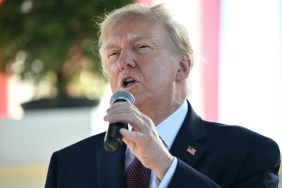
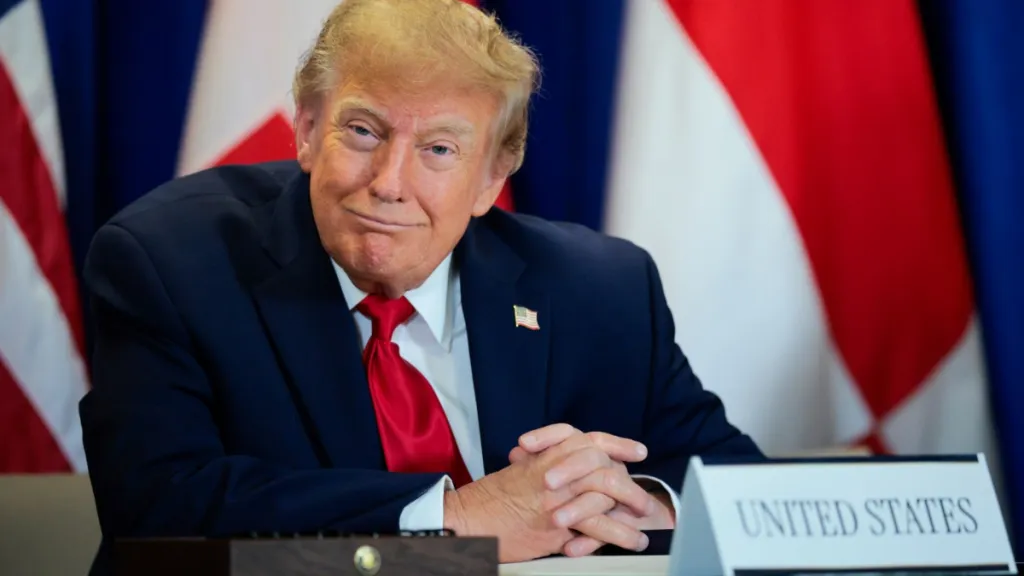
President Donald Trump defended his government-funded ad campaigns on Wednesday, according to The Hill. Trump told reporters that the ads promote the country’s spirit rather than any political candidate.
“I’m not running for office, first of all,” Trump said. He added that the ads celebrate national greatness. “When I’m talking about making America great, making our country great, that’s a countrywide ad,” he stated. Trump also offered to cover costs personally if anyone found the spending improper.
The federal government has released three ads so far. The White House has labeled these spots as public service announcements. Officials say the ads promote Trump and his administration’s accomplishments.
The White House pushed back against critics in a formal statement. It called the attacks on the announcements “highly dishonest.” The statement emphasized that Trump does not appear on any ballot. It also noted that the ads contain no call to action for voters.
One of the three ads aired during NFL game commercial breaks on Sunday. The prime-time placement drew significant attention from lawmakers and media commentators.
The spots have drawn criticism from both Democrats and Republicans. Senate Majority Leader John Thune expressed reservations about the funding source. “It’s a great message. I like the message, but it shouldn’t be paid for by taxpayer dollars,” Thune told reporters on Monday.
Trump maintained that the ads serve a patriotic purpose. “These are ads for the country,” he said. He reiterated that he is not promoting himself or any candidate. “I’m not promoting a candidate. I’m not promoting myself because I’m not running for office,” Trump stated. The bipartisan backlash suggests the controversy will continue in Washington.